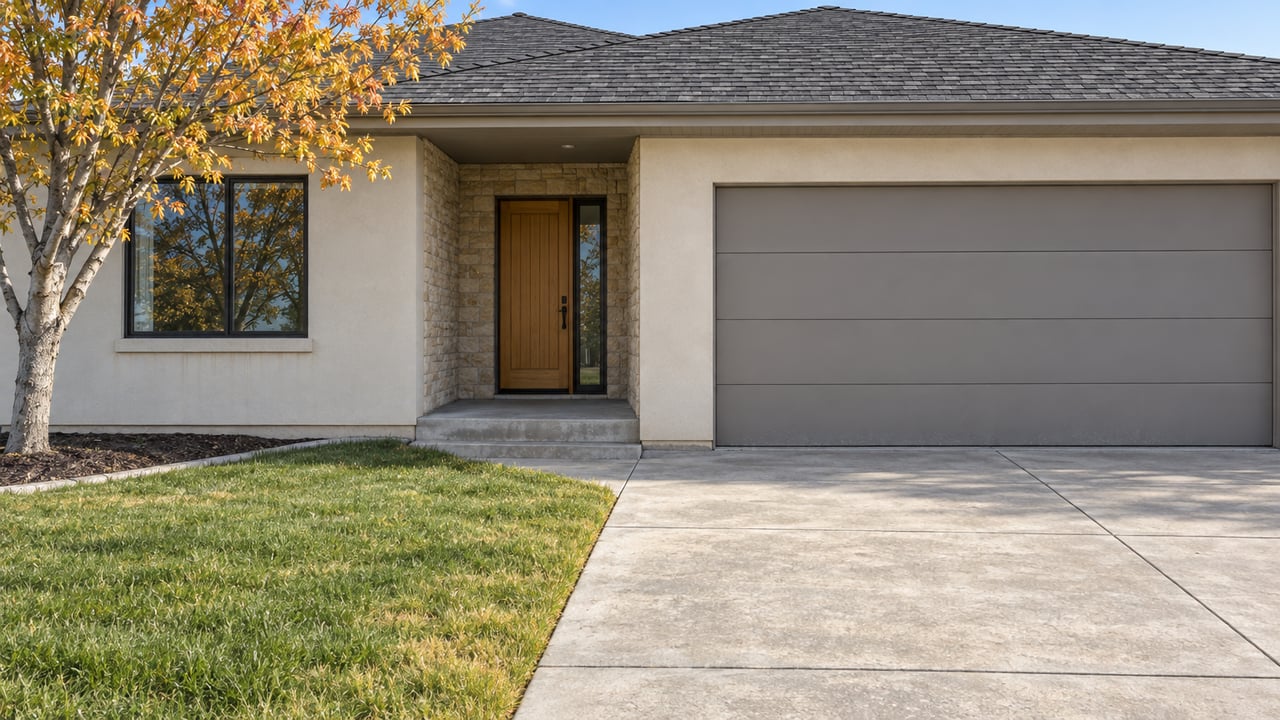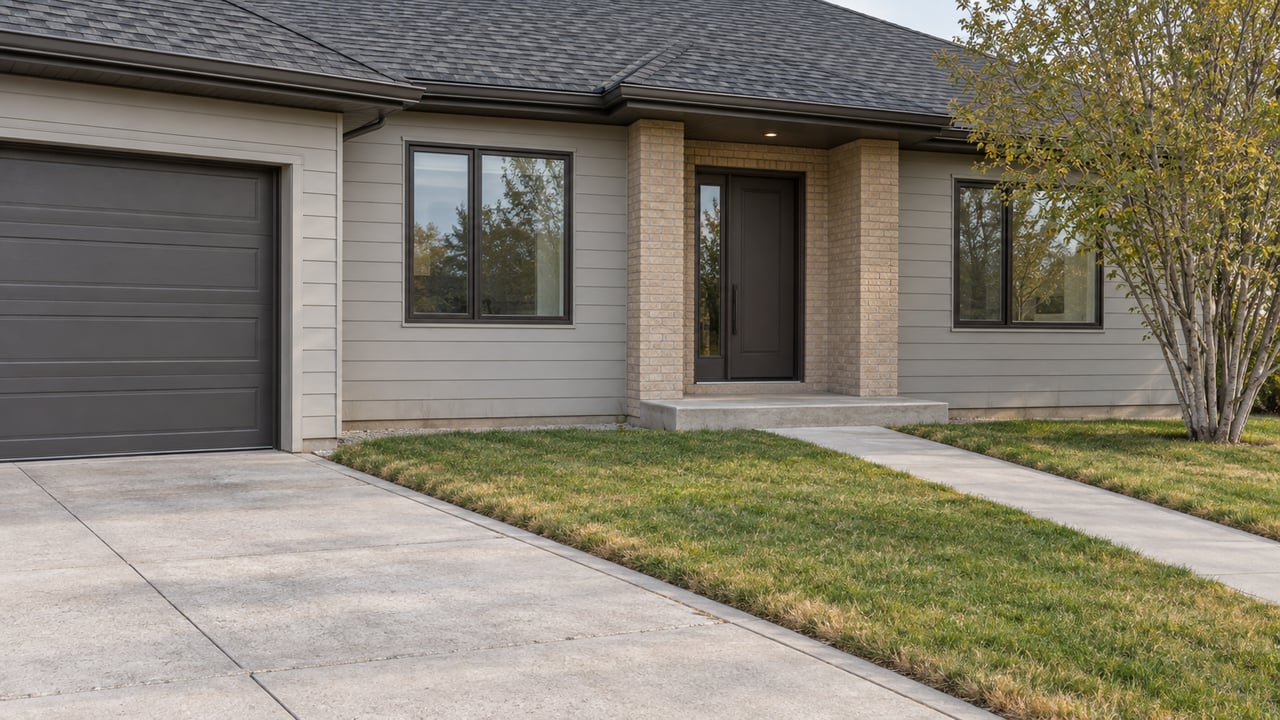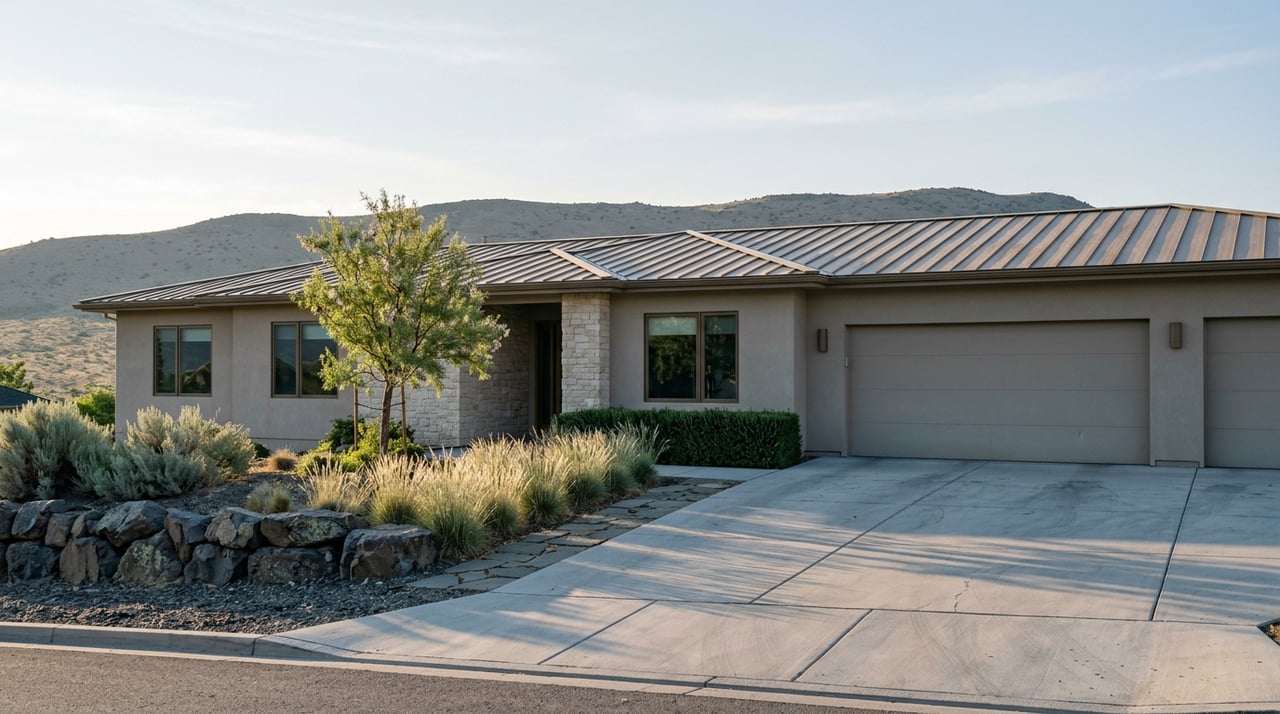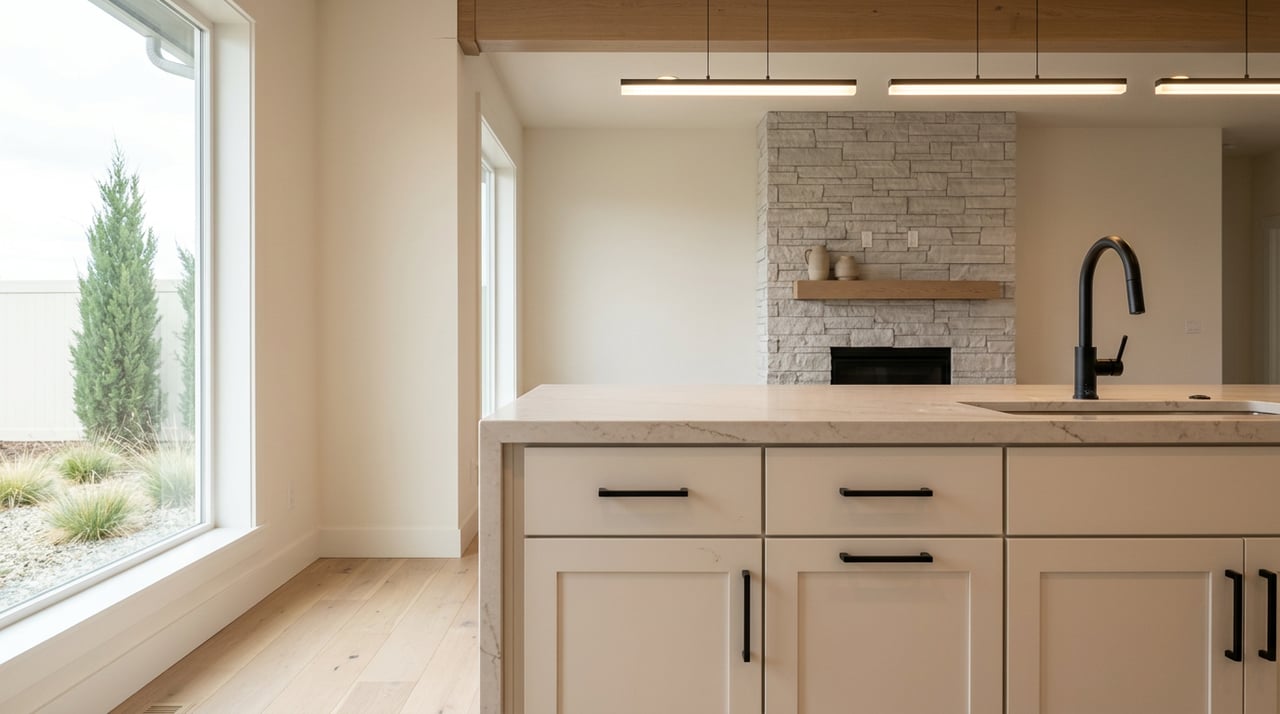
Walk down almost any block in Southridge and the houses look like they were built from the same set of instructions. Same rooflines, same three-car garages, same strip of lawn behind the same low block wall. What doesn't match is the separate irrigation bill each of those houses receives from the Kennewick Irrigation District. Two homes built the same year, by the same builder, on the same street, can carry different permanent charges tied to the land itself, not to how much water either owner actually uses.
That gap is the thing worth understanding before you're the one signing for it.
A Bill That Isn't Measuring What You Think It's Measuring
The Kennewick Irrigation District, known locally as KID, has been delivering water to this part of the Tri-Cities since it was formed as a special purpose district in 1917, with roots going back even earlier. The modern canal network was built in partnership with the U.S. Bureau of Reclamation in the early 1950s and still moves water today. KID currently serves more than 20,200 acres inside a 55,000-acre boundary that covers much of Kennewick, including Southridge.
Here's the detail that changes how you should think about the bill: KID does not meter the water it delivers. There's no dial to read, no usage tier tied to how many times you ran the sprinklers in July. Instead, the assessment is tied to the parcel itself, calculated by acreage and by whatever infrastructure that specific piece of land is connected to. It shows up separately from your city water bill because it's a different system entirely, non-potable water pulled from the Yakima River and delivered through a private, unmetered network built for agriculture long before Southridge was rooftops.
That distinction matters because it means the bill can't be shrunk the way an electric bill can. You can't water less and expect a lower charge next year. What determines the number is which layer of KID's infrastructure your parcel was built into, and when.
Why the Same Subdivision Can Carry Different Charges
KID's current rate structure includes a base charge that applies district-wide. For 2026, every parcel is assessed a New Water Infrastructure and Supply Fund charge of $5.92 per parcel plus $5.92 per acre. That part is close to universal.
What isn't universal is the layer of surcharges stacked on top of it, tied to specific capital projects in specific service areas. Across the district, KID's published 2026 rate schedule shows charges like these:
| Surcharge | Rate | Duration |
|---|---|---|
| Red Mountain Service Area (RMSA) Capital Surcharge | $43.60 per acre | Ongoing |
| Red Mountain Service Area (RMSA) Operating Surcharge | $45.29 per acre | Ongoing |
| Division IV 33.8 Transmission Surcharge | $229.61 per acre | 10 years |
| D4 33.8-4 Distribution Surcharge | $307.44 per acre | 10 years |
| Jamesville Benefit Area | $600.89 per Equivalent Irrigation Unit annually | 10 years |
| Highland Gardens Benefit Area | $793.91 per Equivalent Irrigation Unit annually | 10 years |
These aren't hypothetical line items. They're real charges attached to real parcels because those parcels benefited from a specific pump station, pipe extension, or distribution build that a different phase, a different street, or a different subdivision entirely did not need. A home connected to infrastructure that's still being paid down carries that surcharge for the life of the note, regardless of who owns it. A home one street over, built into an older or differently financed section of the system, might not.
This is the mechanism worth sitting with. The house itself doesn't show which charges apply; check the irrigation account to find out.
The Southridge-Specific Piece of This
Southridge isn't a single plat approved once and left alone. It was built out over years, in phases, by more than one developer, and each phase went through its own approval process with the City of Kennewick. That process routinely brings KID into the room as a condition of approval, not as an afterthought.
The Southridge Townhome Estates subdivision is a direct example. When the City's Hearing Examiner reviewed the plat for the 11.26-acre, five-phase, 80-lot project at 6230 Ridgeline Drive, the applicant was required to comply with conditions KID had already spelled out in a February 2021 letter addressing the subdivision's irrigation setup. Those conditions become part of the permanent record for that plat. A different phase approved in a different year, under a different set of KID engineering requirements, can end up with a different irrigation arrangement even though both phases sit inside the same subdivision name.
If you're comparing two Southridge listings that look identical on paper, the phase and platting history behind each one is doing more work than the square footage is.
Who Actually Fixes the System When It Breaks
There's a second layer to this that has nothing to do with dollar amounts and everything to do with responsibility. KID draws a line between infrastructure it owns and maintains and what it calls a Private Line Area, or PLA. In a PLA, the irrigation system was built by the original developer or by property owners, and KID only delivers water to a single access point. Everything past that point, the pipes, the pumps, the pressure, is the responsibility of the current property owner, and in a lot of cases, the neighborhood's HOA.
Southridge isn't governed by one association. The Southridge Homeowners Association of Kennewick is the master entity, an active Washington nonprofit corporation registered at 6725 W Clearwater Ave. But within Southridge, individual communities run their own associations with their own budgets and their own maintenance obligations. Village at Southridge, for instance, is its own HOA covering 146 units of single-family homes and duplexes at $250 a month in dues, with a fourth phase that brought the total to 159 units by 2025.
If part of that community's irrigation system sits in a PLA, the HOA's dues, reserve fund, and maintenance contracts are the thing standing between a broken line and a five-figure repair bill, not KID. That's a very different risk profile than a KID-owned system, where the district's own crews and budget are on the hook. A buyer comparing two HOAs by their monthly dues alone is missing the question that actually matters: what is that HOA responsible for underground.
What This Actually Means Before You Sign
These irrigation details are separate from the standard listing. Some of it doesn't show up in a title search either, since KID assessments are billed the way an irrigation account is billed, not always the way a property tax lien is recorded. The practical move, whether you're buying or listing in Southridge, is to treat the irrigation account like its own line of due diligence:
- Request the seller's actual KID account history, not just an estimate, so you can see whether any benefit-area or LID surcharge is attached and how many years remain on it
- Ask directly whether the property sits in a Private Line Area, and if so, whether the HOA or the individual owner is responsible for repairs
- Check the HOA's reserve study or budget for any language about irrigation system maintenance, particularly in newer phases built in the last decade
- If you're closing in early spring, keep in mind that KID's season typically starts April 1, and the district needs several weeks to fill and pressurize its network of more than 400 miles of pipe and roughly 80 miles of open canal before service is confirmed working at your specific address
None of this should scare a buyer off Southridge. Newer sections of Kennewick, including the range that runs from the low $400,000s toward $500,000 or more depending on the block, have their own infrastructure considerations. The price on the sign isn't the whole financial picture, so the irrigation account is worth pulling before you're the one making the payment.
A Few Questions We Get About This
Does every home in Southridge have a KID bill? If the property is within KID's boundary, which covers most of Southridge, yes, it will have an irrigation assessment separate from the municipal water bill, even if the system is unmetered.
Is the irrigation system part of the HOA dues? Sometimes. It depends on whether the property is in a Private Line Area. Where it is, the HOA may be the party responsible for maintenance rather than KID, which is a detail worth confirming with the specific association, not assumed from the dues amount alone.
Can a surcharge on the property expire? Many of the benefit-area and improvement district surcharges are structured to run for a set term, often ten years, tied to repayment of the original capital project. Once that term ends, the surcharge should drop off the account.
If you're weighing a move into Southridge, or getting ready to list a home there and want the irrigation account and HOA documents pulled together before you go to market, Laura & Wes Hodges can help you sort through the specifics parcel by parcel. Receive listings in your inbox and we'll flag what's worth asking about before you're under contract, not after.
This article is general information, not legal, tax or financial advice. Consult a qualified professional about your situation.