Why would two homes with the same square footage, the same three-car garage, and the same general location inside one Pasco subdivision carry different prices before a single upgrade gets added? Most buyers assume the gap is all incentives and finish packages. Some of it is. But a piece of every price tag in Seven Sisters comes from somewhere the builder doesn't control at all: Pasco's own fee schedule, and that schedule doesn't sit still.
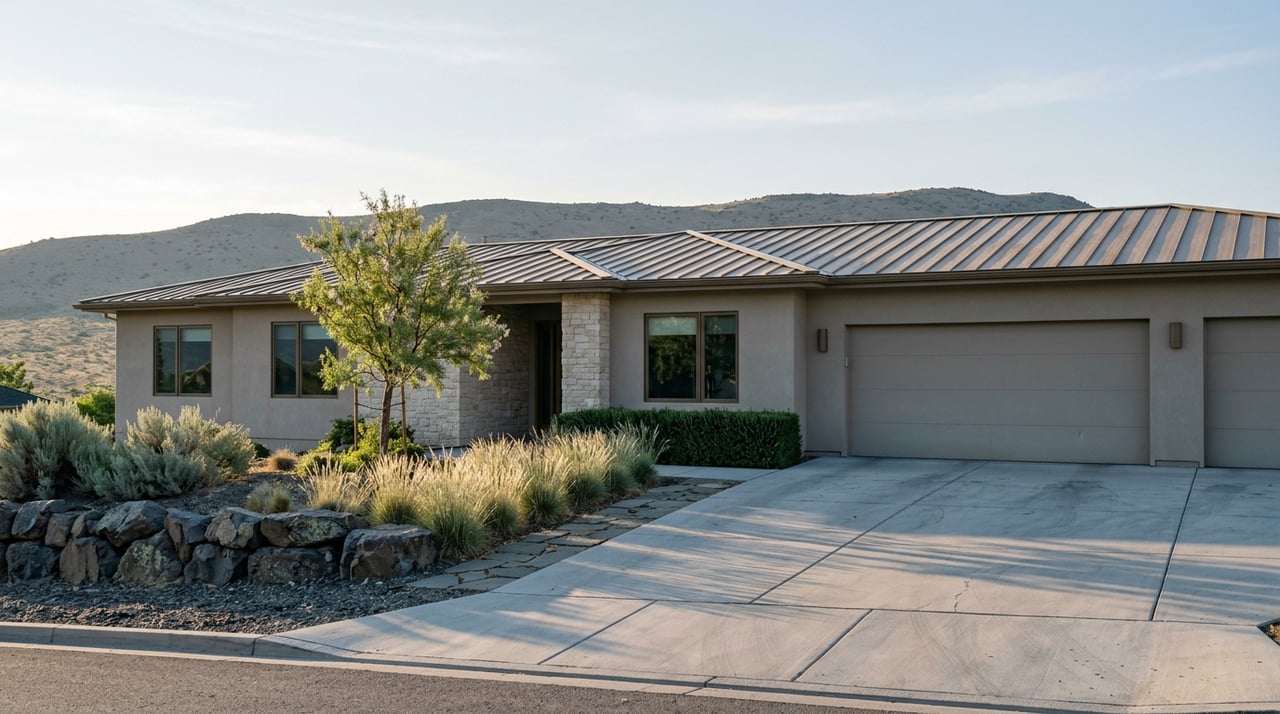
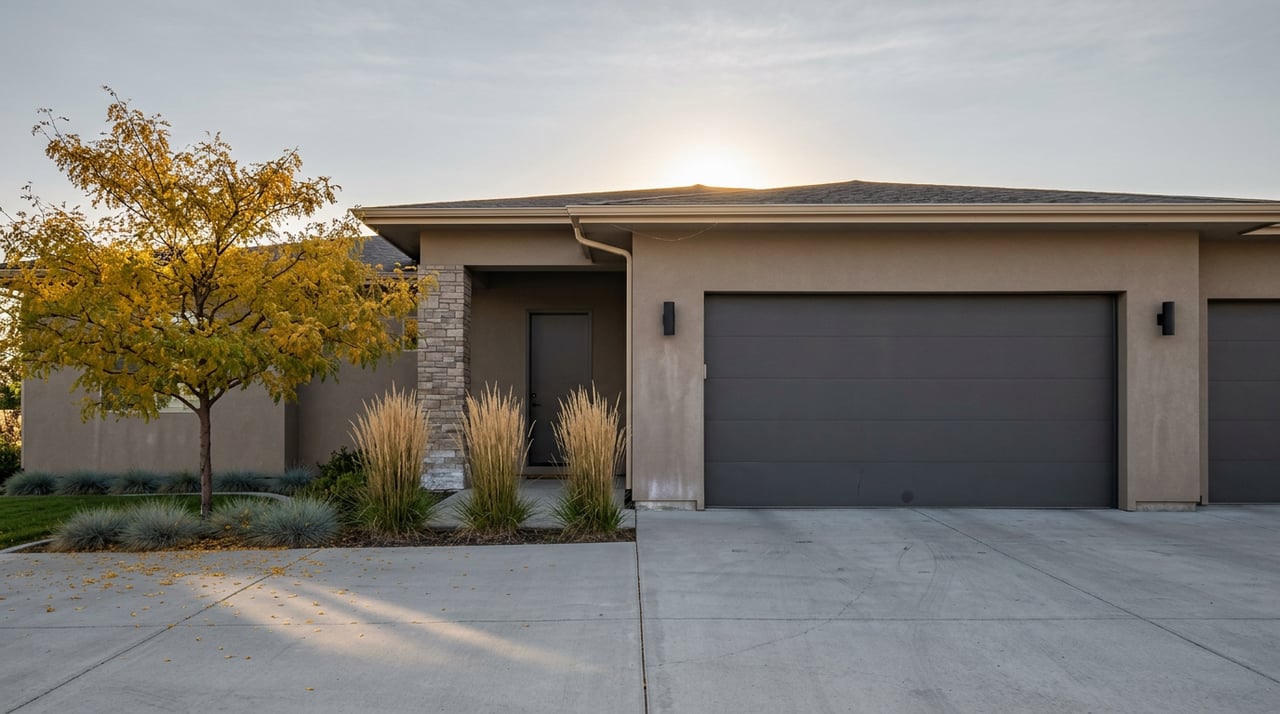
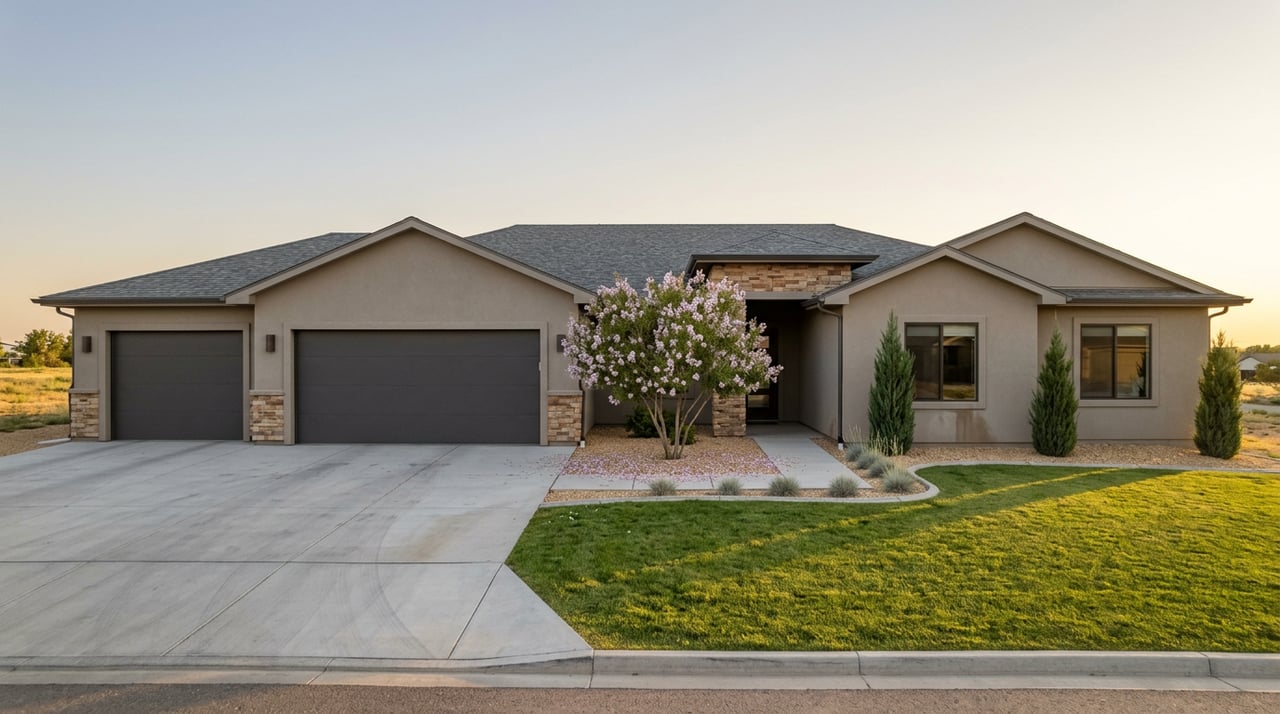
Seven Sisters sits at Burns Road and 84th Avenue in Pasco, an active subdivision with five approved builders working across it: Landmark Homes, Titan Homes, Rockin R' Builders, Sandhollow Homes, and Alderbrook Homes. Phases 1 and 2 are under construction now, and Phase 2 is still accepting lot reservations. Columbia River Elementary and Reynolds Middle School sit a ten-minute walk from the neighborhood. That's a lot of builders working the same ground at the same time, which is exactly why the price comparisons get confusing. When five companies are pricing homes on adjacent lots, buyers naturally assume every dollar of difference reflects choices those builders made. A meaningful slice of it reflects choices the city made instead.
What's already built into the number before you see a floor plan
Every new single-family home built inside Pasco city limits carries a set of mandatory impact fees, assessed under the city's own municipal code. Pasco's posted fee schedule lists a School Impact Fee of $4,700 per single-family dwelling unit under PMC 3.35.240. It also lists a Park Impact Fee of $1,848, with language directly in the fee schedule stating the fee will "increase 3.25% annually on January 1st" under PMC 3.35.250. On top of those two, the city charges a Transportation Impact Fee, calculated through a zone-based calculator rather than a flat number, because the amount depends on where in Pasco the lot sits and how many dwelling units are involved.
None of these fees are something a builder invents or negotiates away. They're paid to the city before a development permit is issued, unless the builder chooses to defer payment, an option the code allows specifically for single-family detached and attached residential construction. Either way, the money is owed. If it's deferred, it typically shows up folded into the price you're quoted rather than as a line item you'd notice on a spec sheet.
So when you're standing between a Titan Homes model and a Sandhollow Homes model in the same subdivision, part of what you're comparing is two builders absorbing the same category of city fees into two different pricing structures. That's normal. What's less obvious is that the size of that embedded cost isn't fixed over time.
The clock that's already running
Pasco's own transportation impact fee page states plainly that starting in 2027, those rates will begin adjusting annually based on the Seattle-area Construction Cost Index. That's not a hypothetical. It's a scheduled change, one year away from today, and it applies to every new single-family permit pulled in the city from that point forward, Seven Sisters included.
The park impact fee is already moving. Here's what that escalator looks like in practice, using the posted $1,848 figure as a starting point:
- Base fee as printed on the schedule: $1,848
- After one annual 3.25% step: roughly $1,908
- After a second annual step: roughly $1,970
That math isn't a claim about the exact fee in effect this month. It's an illustration of how a fee that looks small and fixed on paper compounds every January whether or not anyone buying a home that year ever sees the schedule. The number that matters is whatever's current the month a builder pulls a permit for your lot, and the only way to know that figure with certainty is to ask the city directly or ask your builder for the date their permit was filed.
Why "later phase, better deal" isn't automatically true
There's a common instinct among new-construction buyers that waiting for a later phase in a subdivision means a better deal, since land gets more built-out and infrastructure gets more established. In a subdivision with automatically escalating city fees, that instinct can work against you. A later phase permitted after a fee increase carries a higher embedded cost basis than an earlier phase permitted before it, for a home with the exact same plan and the exact same square footage. The builder didn't get greedier. The city's fee table moved.
This is precisely why comparing builders inside one active, multi-phase subdivision requires asking a slightly different question than "what's the base price." It requires asking when the permit was pulled, or is scheduled to be pulled, because that date determines which version of the city's fee schedule applies to that specific home.
What this actually changes about how you shop here
If you're comparing new construction across the five builders active in Seven Sisters, a few questions get you past the surface-level price comparison:
- Ask each builder when they pulled or plan to pull the permit for the specific lot you're considering. That date ties to a specific fee schedule.
- Ask whether impact fees were paid at permit issuance or deferred. A deferred fee sometimes appears as a distinct closing cost rather than something already folded into the sale price.
- Confirm the current Transportation Impact Fee for your specific zone directly with the city's calculator rather than relying on a number a builder quoted months ago, since the schedule is set to shift starting in 2027.
- Don't assume a lower base price from one builder means a better overall deal until you know whether that builder rolled city fees into the price differently than a competitor did.
None of this changes the fact that finishes, lot premiums, and builder incentives still make up the largest share of what separates one Seven Sisters home from another. It does mean the smallest, least visible piece of every price tag has its own timeline, one set by Pasco rather than by any builder on site.
A few questions we get about this
Do buyers pay these impact fees directly at closing? Usually not as a separate line item. Builders typically pay the fees to the city before permits issue and build that cost into the home's price. The exception is when a builder uses the deferral option available under PMC 3.40.070 for single-family construction, in which case the fee obligation can carry forward and appear at closing instead.
Are these fees specific to Seven Sisters, or do they apply everywhere in Pasco? They're citywide, set by Pasco's municipal code rather than by the subdivision. What makes the timing matter more here than in an already built-out neighborhood is that Seven Sisters is actively phasing right now, with new permits still being pulled, which means different homes in the same subdivision can genuinely fall under different versions of the same fee schedule.
Does the school impact fee escalate the same way the park fee does? The posted fee schedule specifies the 3.25% annual increase for the Park Impact Fee under PMC 3.35.250. It doesn't list an automatic escalator for the School Impact Fee in the same document, so the safest move is to confirm the current figure directly with the city rather than assuming either fee is static.
If you're weighing builders in Seven Sisters or trying to figure out what a specific lot's timeline means for your total cost, Laura & Wes Hodges can walk through the permit and pricing details with you before you sign anything, and can get new Tri-Cities listings sent straight to your inbox as they come up.