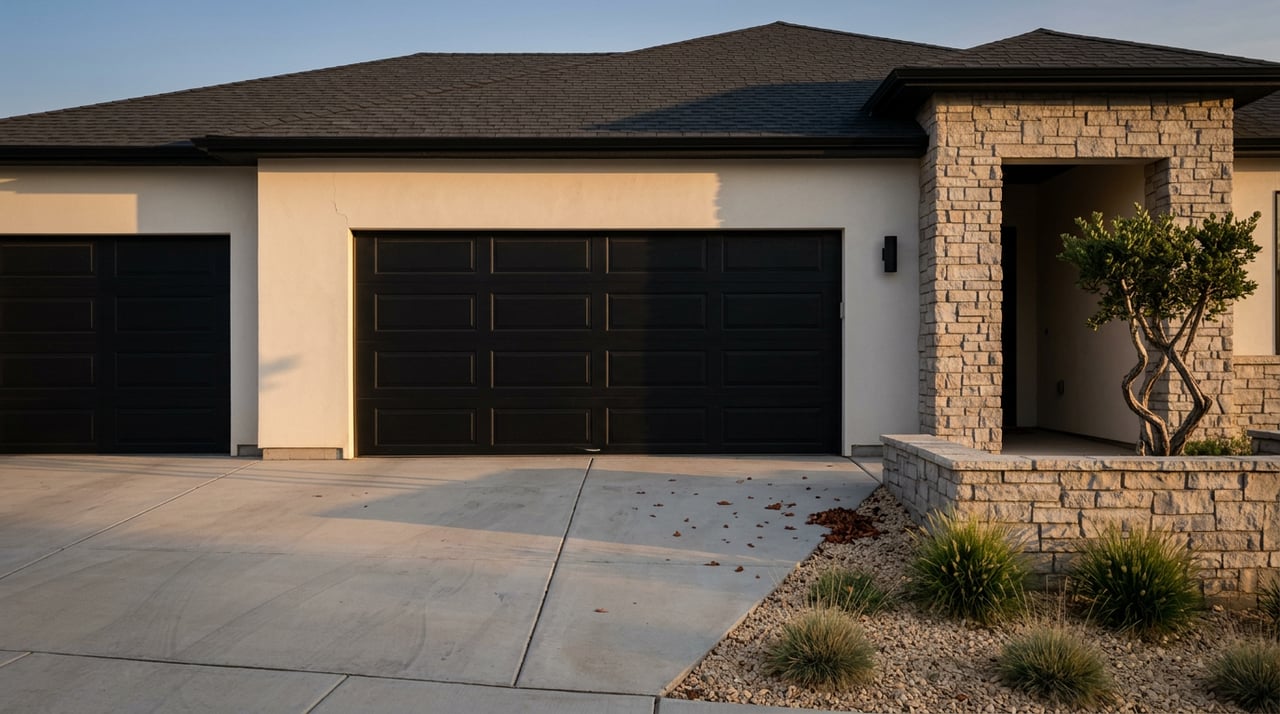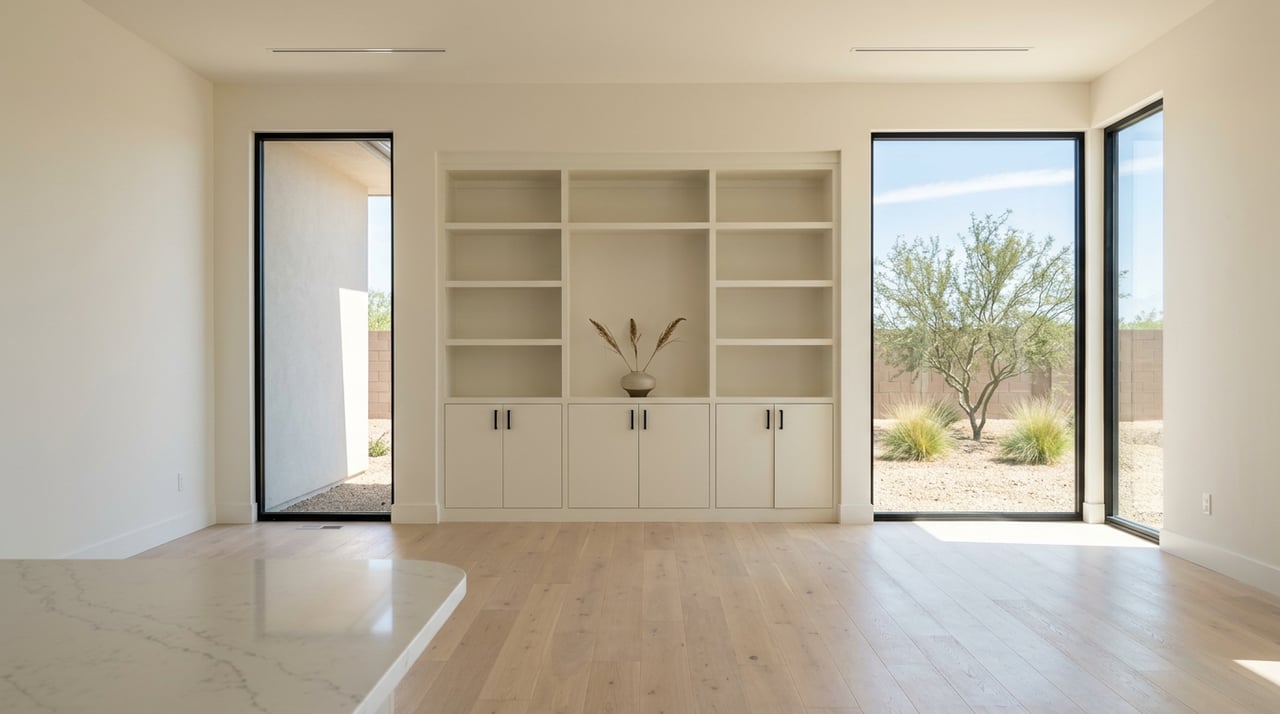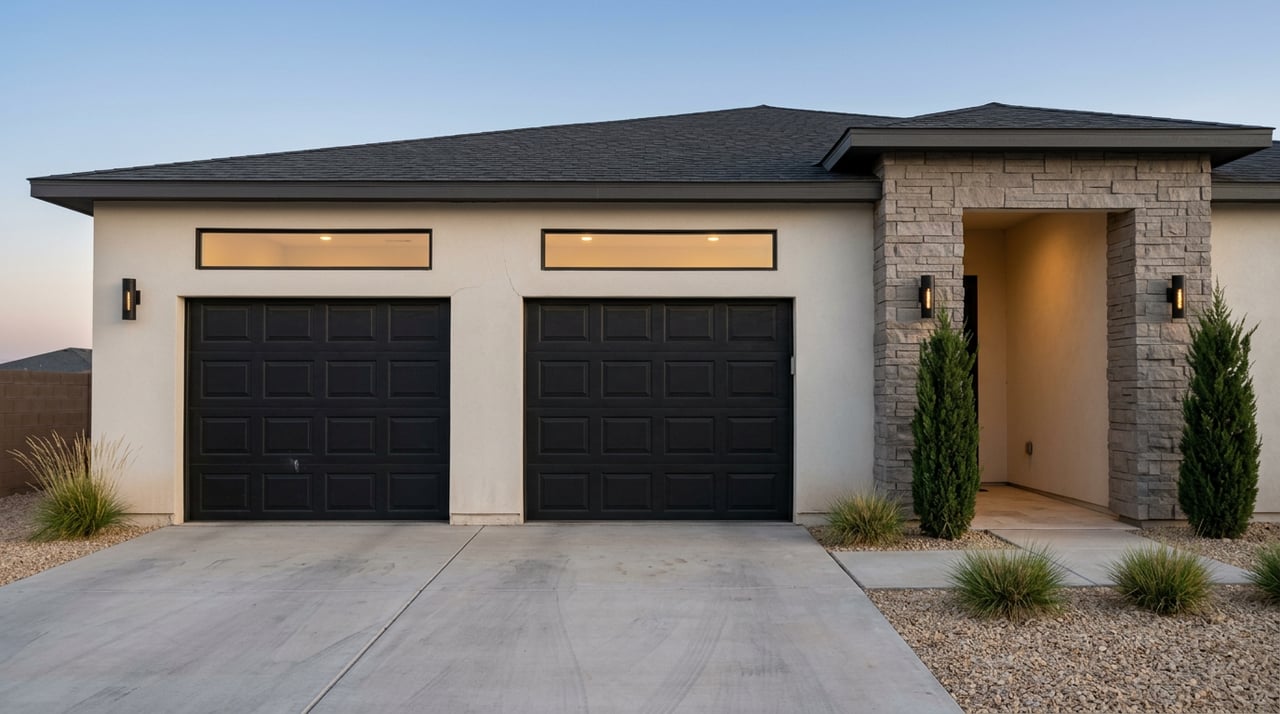
Thinking about building or buying new in Southridge but not sure how to compare builders or timelines? You’re not alone. New construction in 99338 offers great choices, but each builder packages prices, features, and warranties differently. This guide gives you a simple framework to compare apples to apples, map your timeline, budget for upgrades, and understand warranty and inspection steps. Let’s dive in.
Southridge new-home options
Presale vs. spec: key tradeoffs
You generally choose between presale (build-to-order) and spec (already built or near-finished). Presale gives you more control over floor plans and finishes, but you wait longer and make more decisions. Spec homes offer faster move-in and a predictable closing, usually in 30 to 45 days if financing is ready. Your decision comes down to time, control, and how predictable you want move-in costs to be.
How timing works in 99338
In Southridge, completion time depends on permits, site conditions, subcontractor availability, and weather. For presale, total build time often runs 4 to 10+ months, depending on plan complexity and the lot. Site work like grading or rock removal can add both time and cost. Builders manage the sequence for you from foundation to finishes, but you should still track milestones and selection deadlines.
What to compare line by line
Contract and price basics
- Base price: which floor plan and elevation are included.
- Lot cost: whether the lot is included or billed separately.
- Taxes and fees: sales tax, permits, impact fees, and utility hookups. Confirm who pays.
- Financing: earnest deposit, construction loan vs. conventional, and progress payments.
- Closing and escrow: where deposits are held and whether options are refundable.
Standard inclusions to verify
Ask for a written list. Confirm:
- Exterior and site: siding, roof type and warranty, driveway, grading, garage size.
- Foundation and structure: foundation type, crawlspace vs. slab, ceiling heights.
- Mechanical systems: HVAC type and efficiency, water heater type and warranty, electrical panel capacity, EV/AC rough-ins.
- Insulation and windows: R-values, window ratings, and air sealing practices.
- Interior finishes: flooring by area, cabinet construction, countertops, trim, paint, hardware.
- Appliances and fixtures: included brands/models or a dollar allowance.
- Safety and code: smoke/CO alarms, gutters, egress windows, fire sprinklers if required.
- Landscaping and exterior living: sod vs. seed, irrigation, fencing, patios/porches.
- Warranty: term lengths, transferability, and who administers claims.
Allowances and upgrades
- Allowances: exact dollar amounts and what they cover (materials and installation).
- Upgrade tiers: cosmetic (flooring, counters), functional (HVAC, water heater), structural (bonus rooms, ceilings), and outdoor (patios, fencing).
- Change orders: when changes are allowed, how they’re priced, and schedule impact.
- Selection windows: where you choose finishes and the deadlines to lock them.
Apples-to-apples snapshot
Use this quick-reference table while you shop. Ask each builder the same questions so you can compare true move-in costs.
| Item | What to verify | Why it matters |
|---|---|---|
| Base price + lot | Plan, elevation, and whether lot is included | Anchors total cost |
| Site/permit/utilities | Who pays permits, impact fees, hook-ups | Hidden costs add up |
| Standard features | Brands/specs for HVAC, windows, roof, finishes | Quality and comfort |
| Allowances | Dollar amounts and inclusions | Avoid overage surprises |
| Common upgrades | Prices for appliances, flooring, AC/heat pump | Budget control |
| Landscaping | Sod/seed, irrigation, fencing, patios | Curb appeal and cost |
| Warranty | Terms, transferability, claim process | Peace of mind |
| HOA/CC&Rs | Dues and design rules | Ongoing cost and exterior rules |
Timelines you can plan around
Spec home timeline
Spec homes are built or near completion and can often close in 30 to 45 days with standard financing. You confirm the final inspection and certificate of occupancy and review a builder punchlist before closing. Finish choices are limited, but you gain a clear, quick move-in date.
Presale timeline and milestones
Presales often run 4 to 10+ months from contract to completion. Expect an option period of 1 to 4 weeks to make early decisions, then 2 to 6 weeks for design selections. Permitting and site prep can take a few weeks to several months, followed by 4 to 8 months of construction and a 2 to 6 week final walkthrough-to-close window. Track key milestones: contract and deposit, signed selections and addendums, permit issuance, foundation completion, framing completion, drywall/finishes, and final walkthrough scheduling.
Financing checkpoints
Spec homes typically use a standard mortgage. Presales may involve a construction-to-perm loan or a conventional loan at completion. Confirm financing contingency timelines and what happens if a lender delay holds up closing.
Warranties and inspections
What a warranty usually covers
Most production builders offer a structure like: 1 year for workmanship and materials, 2 years for major systems, and 10 years for structural components. Coverage details vary, so confirm what is considered structural and what is excluded. Ask who administers the warranty, how to submit claims, response times, and transfer rules for future owners. Plan for 30-day and 11-month walkthroughs to log items.
Inspection and punchlist steps
Builders perform internal inspections at major stages and before closing. You can hire an independent home inspector on both spec and presale homes to assess more than cosmetic items. Put the punchlist in writing, agree on timelines for completion, and keep copies with your closing documents.
Local 99338 factors to weigh
Energy and HVAC choices
The Tri-Cities climate brings hot, dry summers and cool winters, so efficient cooling and insulation matter. Washington’s energy code is regularly updated, so ask for R-values, window ratings, and HVAC efficiency. Heat pump adoption is increasing statewide; confirm whether a heat pump or other high-efficiency equipment is included.
Permits, utilities, and HOAs
Permit turnaround, utility hookups, and lot-specific site work can affect schedule and cost. In Southridge subdivisions, check HOA dues, maintenance responsibilities, and architectural guidelines that may affect exterior choices. These details help set realistic expectations and avoid surprises.
A budget plan you can live with
Upgrade and contingency rules of thumb
Set aside about 5 to 15 percent of the base home price for upgrades and options, depending on how complete the standard package is. Keep a 2 to 5 percent contingency for unexpected site issues, change orders, or selection overages. Confirm whether allowances include installation and if sales tax is applied to upgrades.
Price escalation and change orders
Review your contract for any price escalation clauses for materials or labor. Clarify the change-order policy, how pricing is determined, and how changes affect the schedule. Lock selections on time to limit lead-time delays.
Practical checklists to use with any builder
Before you sign
- Ask for itemized standard inclusions and detailed allowances.
- Request sample contracts and build timelines for similar recent homes.
- Confirm permit responsibilities, expected permit timelines, and any known site issues.
- Verify recent local completions and obtain references when possible.
During selections
- Get brands/models for HVAC, windows, roofing, appliances, and fixtures in writing.
- Confirm the change-order policy, pricing method, and approval timelines.
- Ask for a milestone schedule and communication plan for delays.
- Clarify independent inspection rights and punchlist procedures.
At and after closing
- Collect all warranty documents and the claim submission process.
- Schedule your 30-day and 11-month warranty walkthroughs.
- Save contact details for the builder’s warranty coordinator and preferred claim method.
How we help
You do not have to figure this out alone. With decades of Tri-Cities new-construction experience, we help you compare builders line by line, review contracts and allowances, track milestones, and plan a realistic budget and timeline. If you’re ready to tour spec options or discuss a presale plan in Southridge, reach out to Laura & Wes Hodges for local guidance and listings that fit your goals.
FAQs
What is the difference between presale and spec in Southridge 99338?
- Presale gives you plan and finish choices with a longer build time, while spec homes are built or near-complete for a faster, more predictable closing.
How long does a presale build usually take in Benton County?
- Many presales run 4 to 10+ months from contract to completion, influenced by permits, lot conditions, plan complexity, and subcontractor availability.
What standard features should I confirm with a Southridge builder?
- Verify HVAC type and efficiency, insulation and window specs, roofing, flooring by area, cabinetry, countertops, appliances or allowances, landscaping, and warranty terms.
What warranties are typical for new homes in 99338?
- A common structure is 1 year for workmanship, 2 years for systems, and 10 years for structural components, with variations by builder and provider.
How much should I budget for upgrades on a new build?
- A conservative range is 5 to 15 percent of the base price for upgrades, plus a 2 to 5 percent contingency for changes or site-related surprises.
Can I hire my own inspector for a new construction home?
- Yes, buyers often hire independent inspectors before closing to review beyond cosmetic items; confirm timing and access with the builder in advance.