Most buyers comparing new construction in Pasco do the same thing: they pull up a Seven Sisters listing, note the price per square foot, and assume that number tells them what a similar home two lots over will cost. It doesn't. Seven Sisters isn't a single-builder community with one pricing sheet. It's a subdivision at Burns Road and 84th Avenue where five separate builders are working the same streets, and the gap between what two nearly identical homes actually cost a buyer each month can run into real money before either builder touches the sticker price.
That gap doesn't show up on a portal. It shows up in the fine print of the offer, and it's the single most useful thing to understand before you shop this neighborhood.
A Subdivision With Five Front Doors
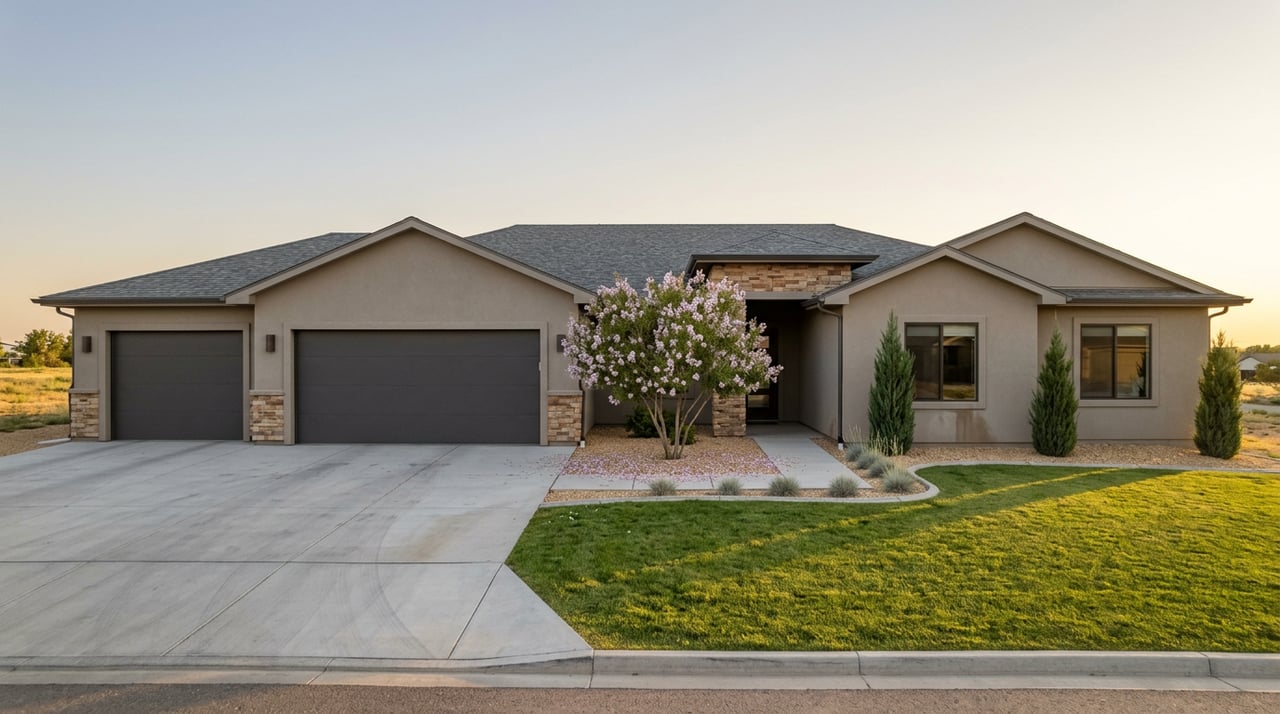
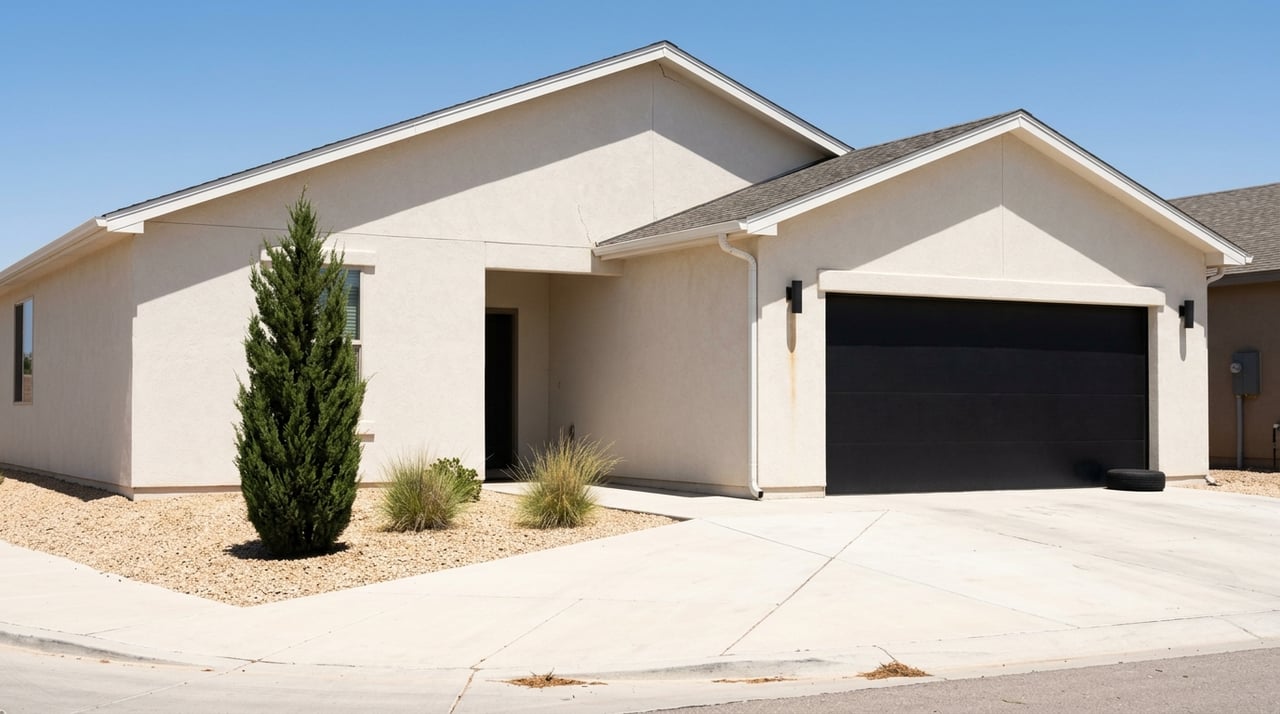
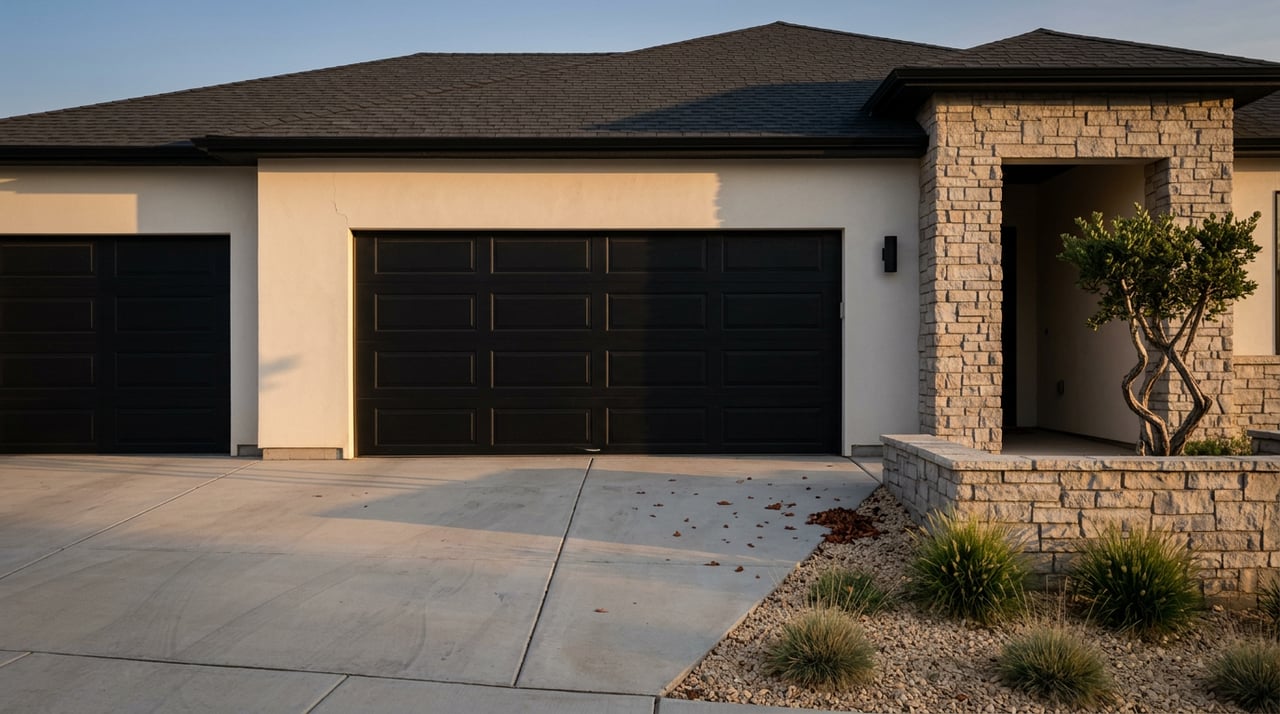
Seven Sisters sits in West Pasco within walking distance of Columbia River Elementary and Reynolds Middle School, and it's been developed in phases rather than all at once, with Phase 2 lots selling down and Phase 3 opening behind it. What makes the community structurally different from most new-build neighborhoods in the Tri-Cities is who's building in it: Alderbrook Homes, Landmark Homes of WA, Titan Homes, Sandhollow Homes, and Rockin R' Builders are all approved to build on shared streets governed by one set of covenants.
That's unusual. Most new-construction neighborhoods in the region are built out by a single company that sets one price sheet and holds it. Seven Sisters runs more like five sales offices sharing a subdivision, each one setting its own base pricing, its own included features, and its own incentive playbook for the same pool of buyers.
Why A Builder Would Rather Move Your Payment Than Its Price
Here's the part that isn't obvious until you've sat across from a builder's sales rep. A builder almost never wants to cut a home's base price, even when a buyer is standing right there ready to walk. Cutting the price on one lot drags down the appraised comps for every other home in the community, including the ones a builder already sold at full price to someone who closed six months earlier. So instead of dropping the number on the sign, builders reach for a different lever: they lower what the buyer actually pays each month without changing what the home is listed for.
That's what a rate buydown does. A temporary buydown, often structured as a 2-1 or 3-2-1, cuts the interest rate for the first year or two before it steps back up to the note rate. A permanent buydown pays discount points at closing so the lower rate holds for the life of the loan. Either way, the builder is paying for the reduction, and it's being financed as an incentive rather than baked into a lower price. Movement Mortgage's explainer on new-construction incentives puts it plainly: a rate buydown or closing cost credit lets a builder advertise a lower monthly payment, which is what most buyers actually shop for, without officially reducing the price, so the community keeps its comps intact.
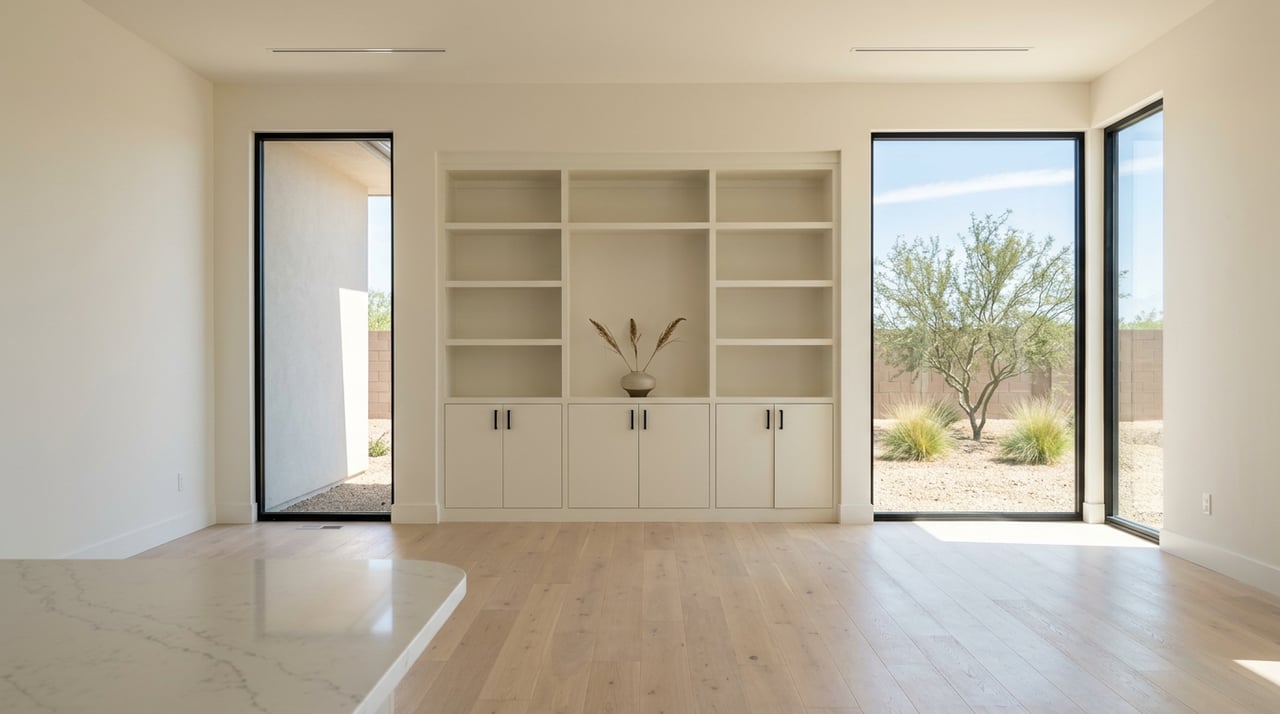
Closing cost credits work the same way from a different angle, covering lender fees, title costs, or prepaid taxes and insurance so a buyer needs less cash at the table. Design center credits do something else entirely: they add value in finishes rather than in monthly payment, which matters more to a buyer who's already comfortable with the payment and wants better cabinets than to one who's stretching to qualify.
None of these show up when you're scanning listings by price per square foot. They only show up when you ask.
What This Looks Like On The Ground In Seven Sisters
This isn't theoretical for us. We've represented a Seven Sisters home built by Alderbrook in Phase 2, and the offer on that home included both an interest rate incentive and a preferred lender incentive layered on top of the listed price. Neither of those showed up in the base price a buyer would have compared against a Sandhollow or Titan home a few lots away.
Sandhollow, for its part, markets its own Build & Price Tool so buyers can see pricing upfront before they ever sit down with a sales rep, which is its own tacit admission that pricing in this neighborhood isn't a fixed number you can read off a sign. Titan's Seven Sisters community page leans on the same schools and the same walk to Reynolds Middle, but its floor plans, included features, and current promotions are structured entirely separately from Alderbrook's or Sandhollow's, even on lots that sit on the same street.
The practical result is that a buyer who only compares Seven Sisters homes by listed price is comparing five different negotiating positions as if they were one.
What The Broader Numbers Say About Timing
Regional multiple listing data for this summer describes the Tri-Cities as having its strongest closing season of the year, the highest inventory in over a decade, and the fastest days-on-market of 2026, with median prices expected to hold in the $440,000 to $450,000 range through July and August. That's a market where builders have room to negotiate and buyers have leverage they haven't had in years.
Pasco's own numbers earlier this year point in the same direction. As of March 2026, the city's median sale price sat at $418,000, down about 2.8 percent from a year earlier, with homes taking roughly 78 days to sell compared with 64 days the prior year, even as 99.27 percent of homes sold within a hair of asking price. Read those two numbers together and the pattern is the one builders are counting on: prices aren't falling much, because nobody wants to be the one who breaks the comps, but the time it takes to sell is stretching out, which is exactly the condition that pushes builders toward heavier incentives rather than lower sticker prices.
For a buyer shopping five builders in one subdivision, that combination is worth knowing. It means the deal is very likely there. It's just not going to be labeled as a discount.
The Number Worth Asking For
Every builder's offer in Seven Sisters can be reduced to two figures: what it does to your monthly payment, and how much cash you need at closing. Everything else, the headline incentive amount, the design credit total, the "up to" language, is marketing until it's translated into those two numbers.
Before comparing two Seven Sisters homes from different builders, ask each one for:
- Whether the rate reduction is temporary or permanent, and what the payment looks like once a temporary buydown expires
- Whether the incentive is tied to the builder's preferred lender, and what your rate and fees look like with an outside lender for comparison
- What's actually included in the base price versus what's a paid upgrade, since one builder's standard finish can be another's design center add-on
- What the current HOA dues and covenants require, since Seven Sisters' HOA and CC&Rs apply to every phase and every builder equally and won't show up in a builder's price comparison at all
A Kiplinger piece on builder mortgage incentives makes the caution worth repeating here: preferred lenders can be convenient, but their rate sheets and fees don't automatically beat what you'd get shopping outside the builder's referral. In a neighborhood with five builders and five preferred-lender relationships, that comparison matters more than it would almost anywhere else in the Tri-Cities.
A Few Questions We Get About Seven Sisters
Do all five builders build on the same size lots? Lot size and orientation vary by phase and by which builder holds which parcel, so this is worth confirming lot by lot rather than assuming consistency across the subdivision. Recent MLS lot listings in Phase 2 have shown raw lots priced around $121,000, with utilities including natural gas and irrigation already in place.
Is the HOA different depending on which builder I choose? No. The Seven Sisters HOA and its CC&Rs apply across the subdivision regardless of which builder you work with, though it's worth requesting the current governing documents for your specific phase before you're under contract.
Can I use my own lender if a builder is advertising a rate buydown? Usually, but the size or even the availability of the incentive is often tied to using the builder's preferred lender. Run the numbers both ways before assuming the in-house offer is the better net deal.
If you're comparing Seven Sisters against other West Pasco options and want someone who's actually walked these model homes and read these builder contracts side by side, that's exactly the kind of groundwork Laura & Wes Hodges does before a client ever signs anything. Reach out and we'll walk you through what each builder in Seven Sisters is currently offering, or sign up to receive listings in your inbox as new phases and new incentives open up.